По общим вопросам

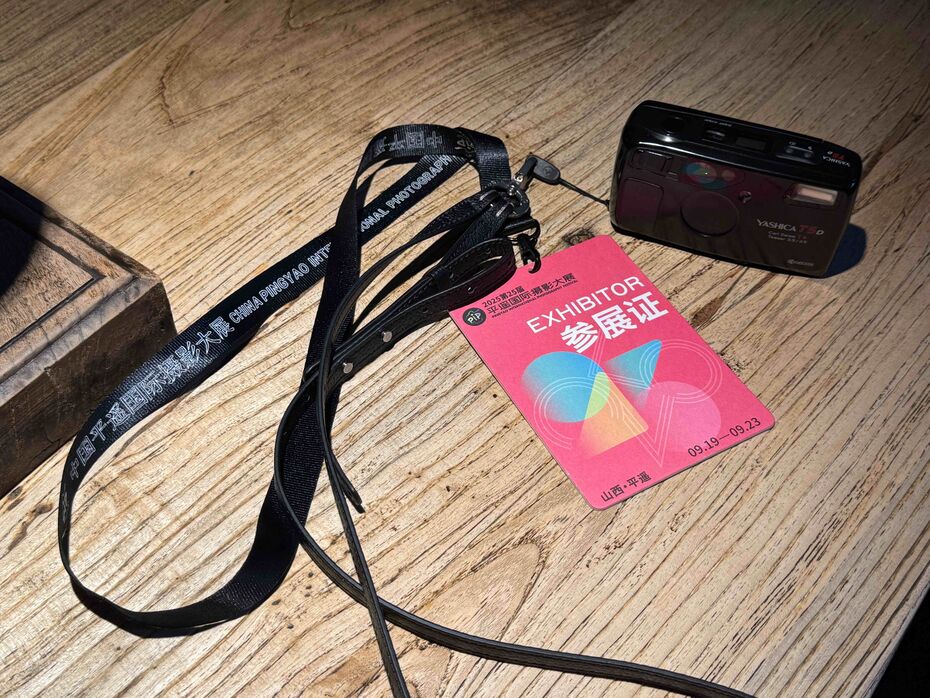
For young creatives, contests and exhibitions are often the first step into the professional world — and HSE ART AND DESIGN SCHOOL actively supports students, opening doors to international opportunities. Alisa Lapshina’s journey is one of those success stories. A graduate of the Photography program, she’s now part of the university’s team and an editor at the HSE Photolab unit. Her works were recently featured at the Pingyao International Photography Festival — one of the world’s largest — held in China at the end of September. In this interview, Alisa shares her impressions from the festival trip, her contest experience, and how art can help you find your voice.

It’s hard to capture the scale of the festival in words — according to open sources, it showcased over 20,000 works by more than 5,000 photographers from 34 countries. Seeing it all was simply impossible.
The festival featured dozens of sections: curated shows like Spiritual Landscape by Irina Chmyreva and Where Time’s Echoes Repeat by Thomas Kellner, university exhibitions from Parsons School of Design, Zayed University, and RMIT, as well as grant winners such as The Alexia. What makes it especially valuable is how the organizers create space for informal dialogue among participants — the heart of real cultural exchange.

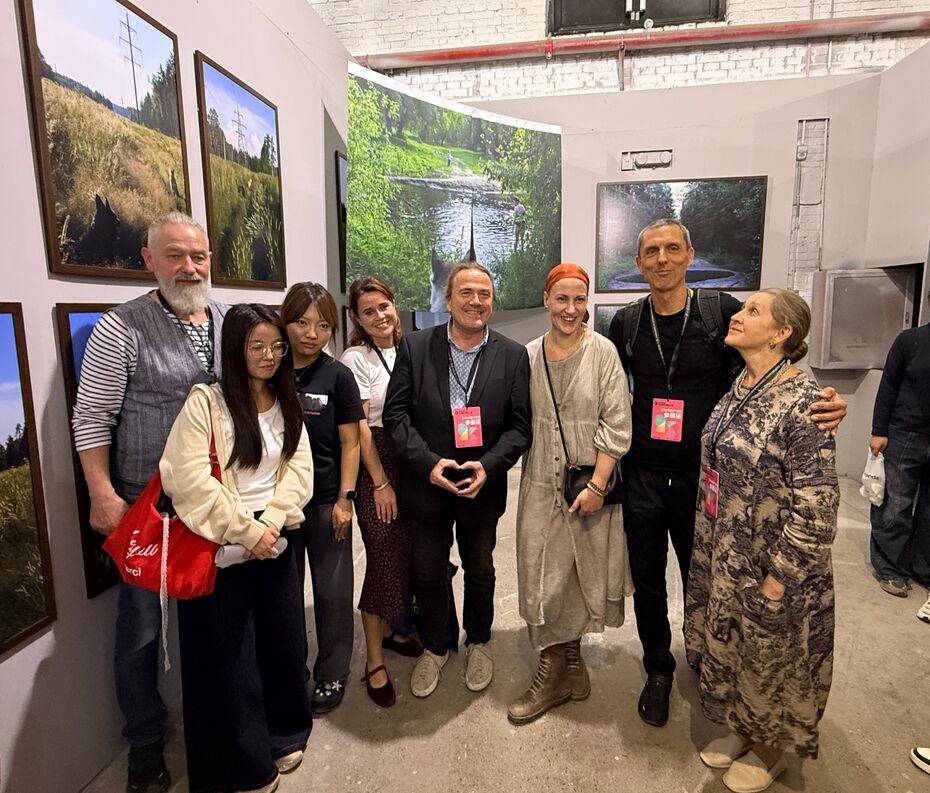
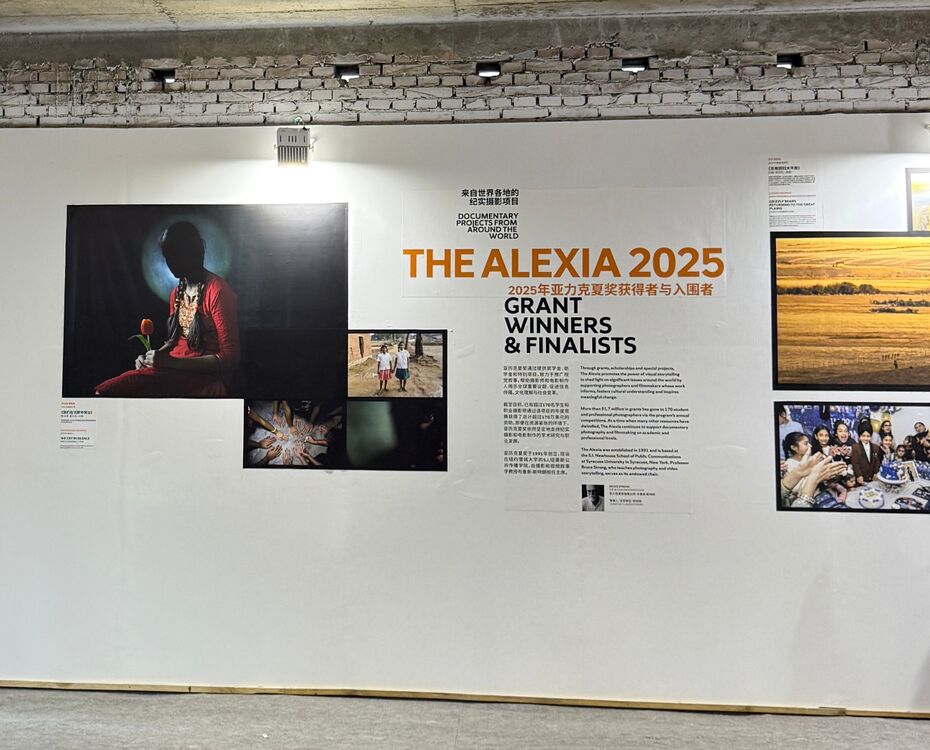


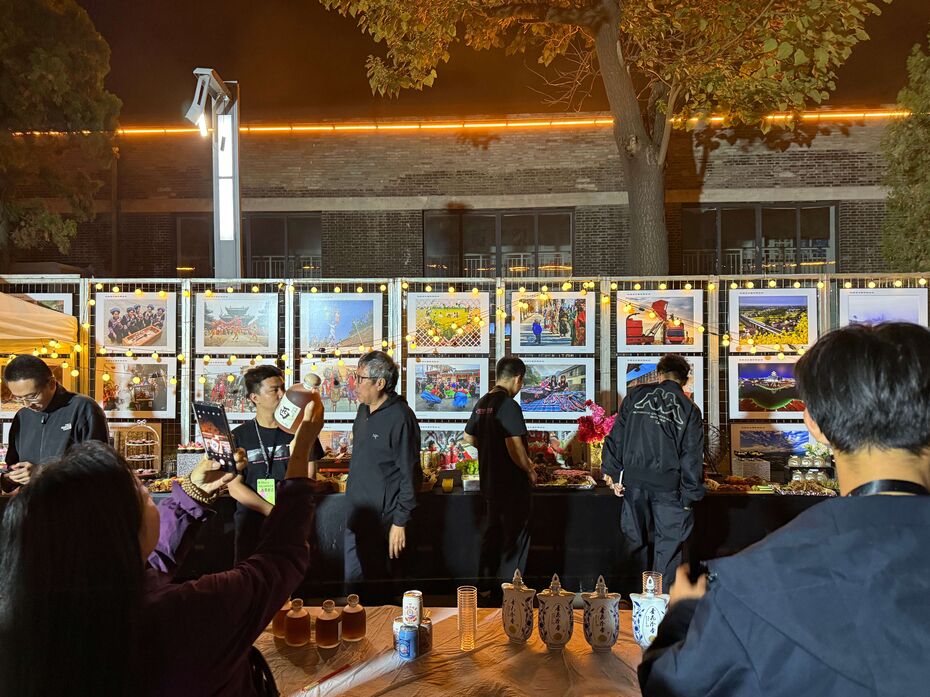
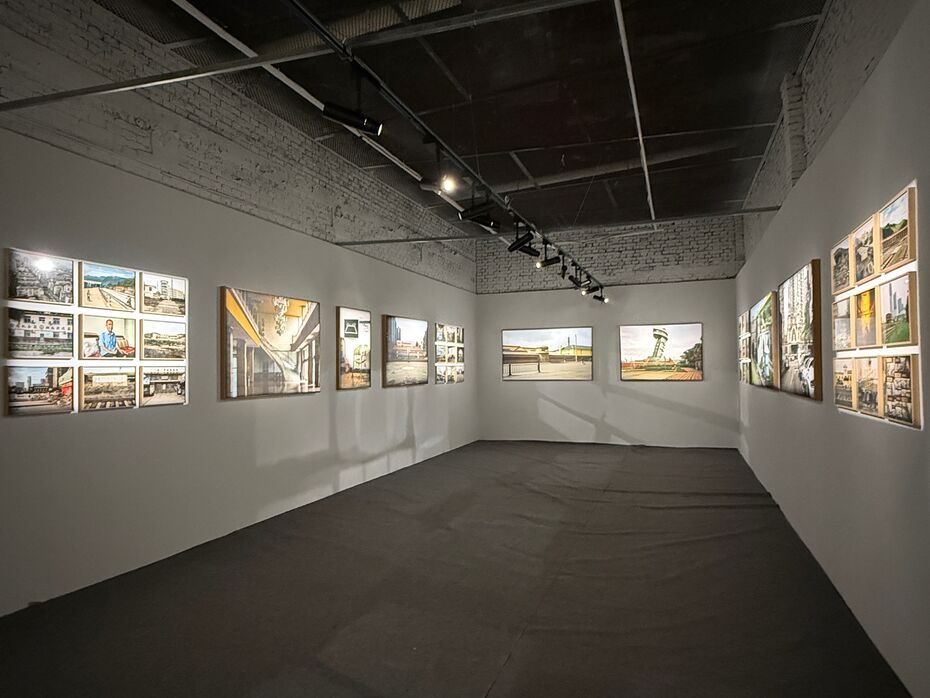
The visitors were incredibly diverse — from journalists and university representatives to fellow participants. Among the general public, there were both photography enthusiasts and students from art schools. I was pleasantly surprised by how engaged everyone was — despite the sheer number of works, people looked through them with genuine interest. What touched me most was seeing so many children there — some with their parents, others as part of school groups.
Communication with colleagues from different universities, festival staff, artists, and curators was very warm. I want to especially thank translator Chen Zhengni, as well as Liu Xiaoxia, head of the festival’s international department, and Shi Jingyue, head of its international working group, for their support and guidance.




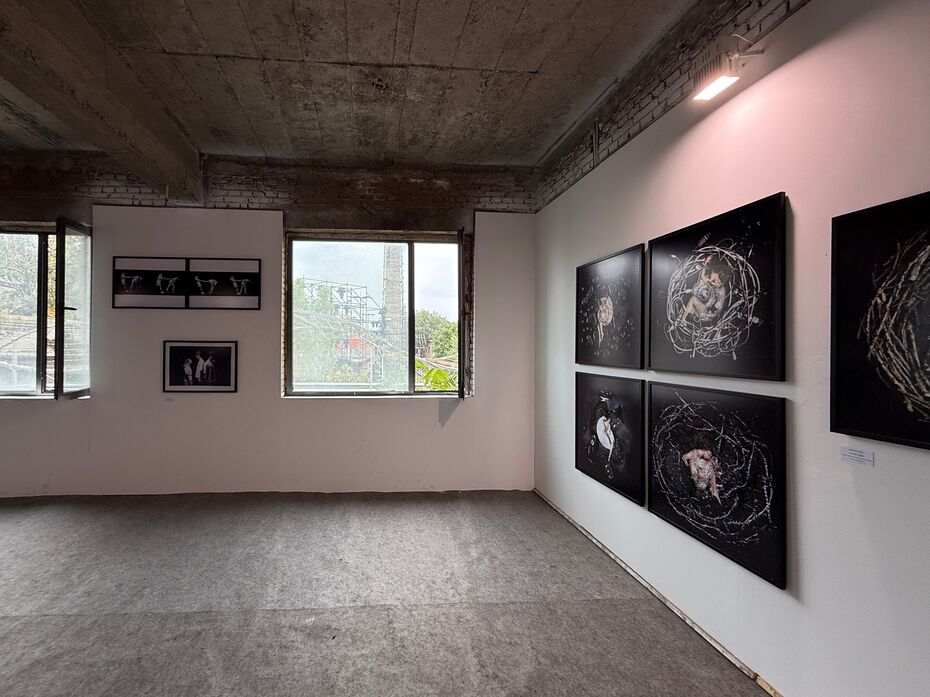
The first was artist Ari Salomon’s project 6 Feet Apart, which documents the crisscrossed tape markings used to indicate waiting points for social distancing during the COVID-19 pandemic. I was also fascinated by Bronek Kozka’s series Thresholds, where he combines composite panoramic landscapes made from multiple shots — only one of which depicts a real location, with the rest generated by AI. Another striking work was Healing Rocks by Liu Yajing, exploring how quarrying shaped both construction and culture, while also leaving deep environmental scars. And I can’t fail to mention Territory by Maria Gruzdeva — a series portraying the lives of rangers in Russia’s nature reserves and national parks, remarkable for its austere northern landscapes and subtle glimpses of everyday life.


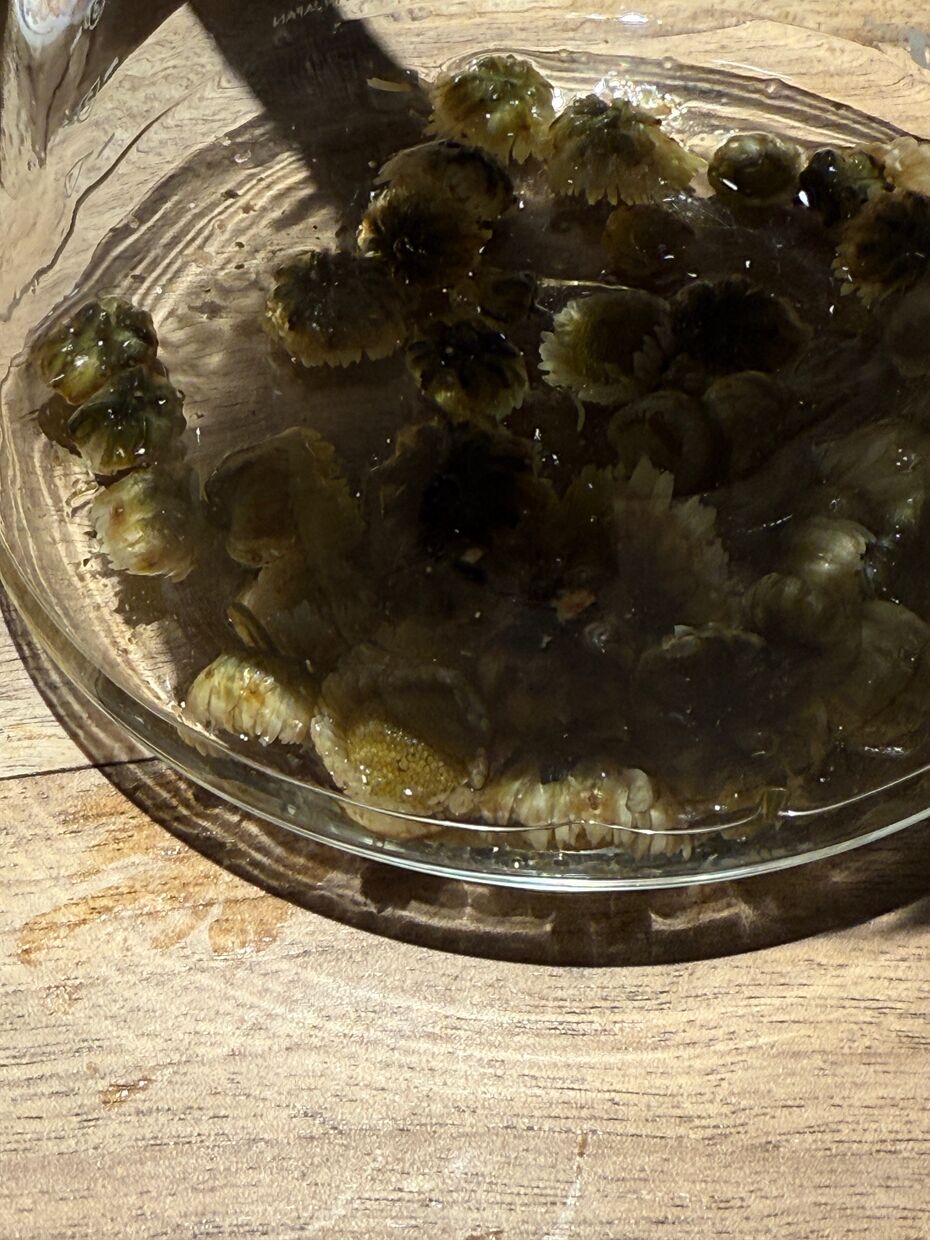
Chrysanthemum tea! And how relaxed people are about street photography — many photographers and tourists shoot vendors or passersby without warning, and might even ask someone to pose from a specific angle. From what I gathered, locals don’t find this unusual at all.
The juxtaposition was fascinating too: carved wooden buildings from different eras, some dating back to the 14th century, side by side with contemporary art shown in white-cube pavilions. The contrast was striking as you moved between festival locations. I shot on a film camera whenever I could, and looking through the developed frames, it felt like the city’s living present was frozen against its ancient architecture.


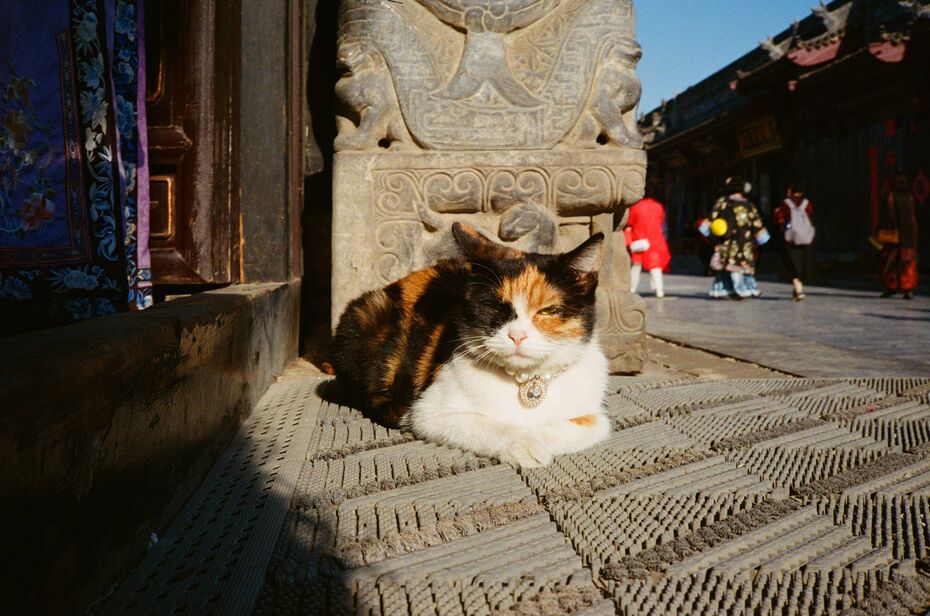



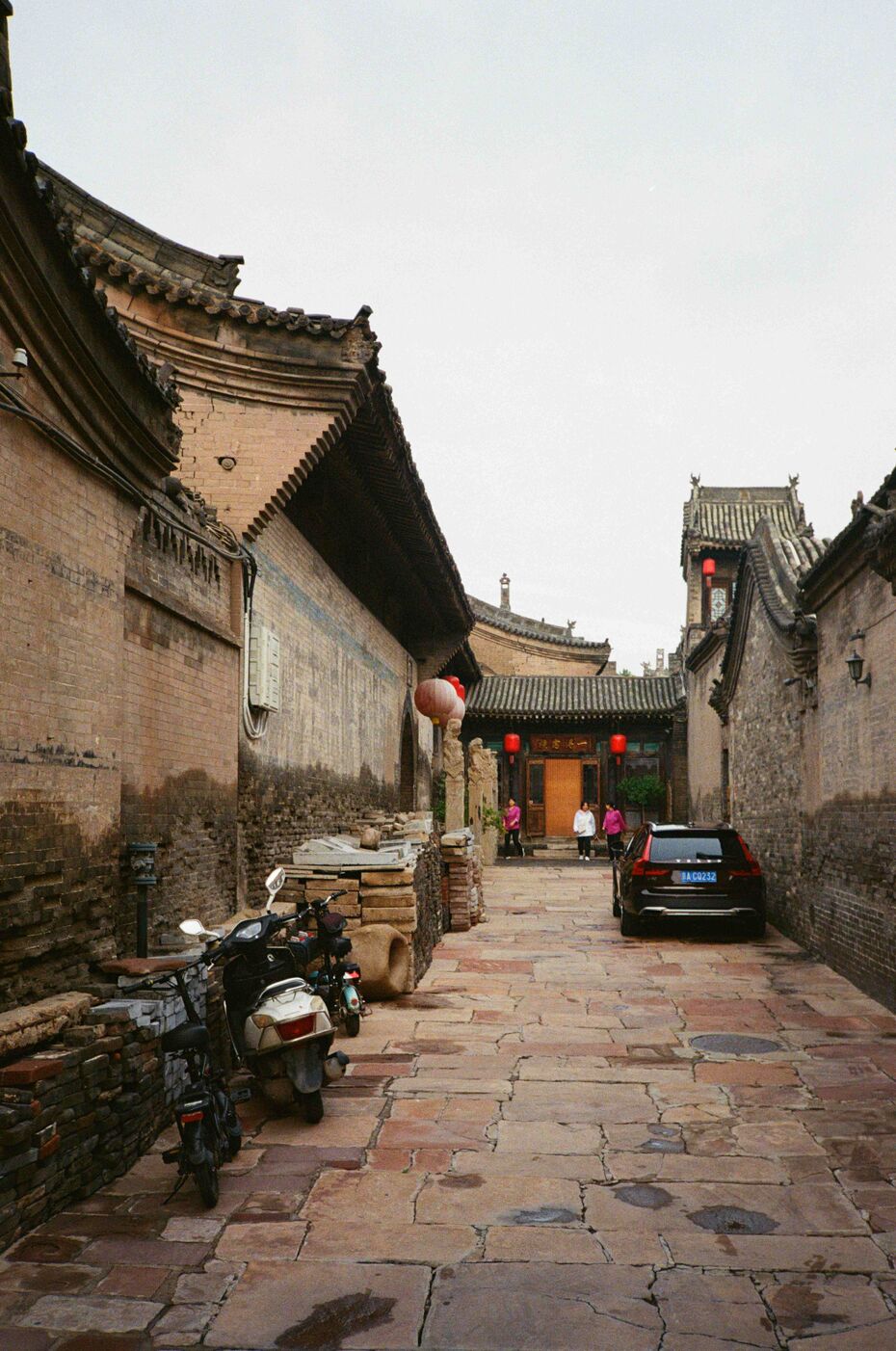


I shot four rolls — two color rolls I brought with me and two locally made black-and-white rolls I bought there, for a total of about 150 frames. I forgot to request hand checks a couple of times and wasn’t sure until the end whether the negatives had been damaged, but thankfully everything turned out fine, and now I can share them and send them to new contacts.
The even split between black-and-white and color happened by chance, but it worked out well. It let me see the city in different ways: the more graphic black-and-white shots, closer to classic reportage aesthetics, strip away the city’s riot of color, while in the color shots this vibrancy sometimes overshadows everything else.


Yes, we put together a quick weekend competition for the most active visitors: submit a photo or series shot in Pingyao. The entries were incredibly diverse, and choosing wasn’t easy. In the end, first place went to a fairly abstract piece featuring a fragment of the very brick the ancient city is built from; second went to a portrait of a musician from a popular bar near the festival grounds — a spot seemingly everyone visited; third captured a side alley that tourists rarely notice as they rush through the souvenir streets downtown. You could say the winners reflected a range of genres.


Absolutely. A festival of this scale is an incredible opportunity for schools, artists, and curators to discover each other, build dialogue, and exchange ideas. I'm hoping to return next year — especially since a beautiful local cat tried her best to stop me from closing my suitcase. She clearly didn't want me to leave.


I started taking photos relatively early — around age seven, when I got my first camera. It was a dustproof and waterproof Olympus point-and-shoot — a dream for a kid. I'd been wanting my own camera ever since trying out the family film camera. Photography remained a hobby for a long time, something I never considered as a career — until I became seriously ill the year I graduated from high school. After several years of treatment, my vision complications improved but never fully resolved. I still struggle with reading.
That’s when photography became the obvious choice — a familiar field that had always felt close to me, and a medium built on images rather than text. I started looking for universities with accessible programs. At the HSE ART AND DESIGN SCHOOL’s open day, I learned about project-based approach, which prioritizes artistic work — and I felt hopeful.
I owe so much to the people who supported me, including my advisor Vladimir Levashov and Ulyana Aristova, who guided me before admission. I'm grateful I ended up in the right place at the right time — I can't imagine my life any other way now.


Not a day goes by without at least one shot, no matter the tool — smartphone, point‑and‑shoot, pro digital, or film. Sometimes artistic projects grow out of this archive; other times, I start from scratch.
What matters most to me as an artist is whether a project resonates emotionally with the viewer. Beneath the visual surface of a photograph, I try to carve out space for reflection on the theme I propose. Alongside photography, I often use other media — video, sound, and found objects — anything that helps fully articulate the idea. A photograph is just a small fragment of reality, and yet, paradoxically, it can reflect a nonvisual experience.
Photography is a remarkably multifaceted medium with an incredibly broad toolkit. It can function as both documentation and an artistic gesture at the same time. For most people, it shows up first as the former, quietly surrounding us on all sides: a fragment of a personal archive, a friend’s social media post, a news image, an ad campaign visual, a product photo on a marketplace.
Which is why a photographer can be almost anything. It depends on the path you choose: some document events for the media, others create art projects for exhibitions, and some work with brands, turning ideas into visual content. There are truly many options — and you don’t have to limit yourself to a single role. Early on, it’s important to try as much as possible to find your niche.


Like most emerging artists, I struggled with not having a structured portfolio and CV, with getting my work seen, and with not really understanding how exhibitions are put together. Gradually, I built a portfolio from coursework, practiced laying out long-form project presentations for a clean, professional look, and got the chance to enter contests and show work within the HSE ART AND DESIGN SCHOOL. That didn’t solve everything or answer every question, but it gave me a solid foundation to grow my career.
Taking part in different events, including competitions, is a great way to broaden your horizons — and it’s excellent practice in self‑presentation, which every emerging artist needs. For me, it was genuinely exciting and joyful: some projects won, while others didn’t place but still drew attention at festivals and biennales after making the shortlist. You could say competitions kickstarted my international career — an amazing outcome for a student.
The standout moment this year was, without a doubt, the trip to the Pingyao festival. Stepping into an international scene and talking with so many inspiring members of the photography community was an incredible experience.
There were valuable opportunities on the local level too, even before the trip: discussing projects with peers and getting advice from experts. I’d also highlight a grant from the Creative Union of Artists of Russia, thanks to which my work was shown at the Zaryadye Park Media Center in Moscow, as well as at institutions in Yekaterinburg, Kazan, and Krasnoyarsk.
Competitions and exhibitions undoubtedly open doors for projects into the public sphere — and for artists, they open the path into the profession.


It’s incredibly convenient to be able to put together a full presentation in a few hours and send a link right away. The media‑embed feature deserves a shout‑out — video and audio that enrich image and text blocks and make the project feel more alive and dimensional. You can also add tags, which are crucial for visibility across categories.
Great presentation rests on clear writing, a logical image sequence, and solid documentation of an exhibition or a book. At the same time, there are plenty of subtle nuances that can seriously shape how a project reads. You only develop a feel for them through practice. The key is not to fear mistakes. To stay on track, study successful projects, look closely at how they’re put together, and adopt the solutions that fit your own presentations.





The most important thing is to find your own direction amid the diversity of artistic practices. Early steps usually mean repeating familiar plots and forms, but over time it’s crucial not to be afraid of going beyond what’s comfortable. It’s in that search for the unknown that potential emerges and a unique artistic language takes shape.
Спасибо, вы успешно подписаны!
Извините, что-то пошло не так. Попробуйте позже.
Мы используем файлы cookies для улучшения работы сайта НИУ ВШЭ и большего удобства его использования. Более подробную информацию об использовании файлов cookies можно найти здесь, наши правила обработки персональных данных – здесь. Продолжая пользоваться сайтом, вы подтверждаете, что были проинформированы об использовании файлов cookies сайтом НИУ ВШЭ и согласны с нашими правилами обработки персональных данных. Вы можете отключить файлы cookies в настройках Вашего браузера.


